







Search Results for: raised coffee bed

What's the deal with the raised coffee bed in pour-over brewing? Analyzing the link between bed height and under-extraction
In discussions about pour-over coffee, the phrase "raising the coffee bed" often appears in Front Street Coffee's articles, and many readers are puzzled by it: how exactly can the coffee bed be raised? And what is the purpose of raising it? In fact, the state of the coffee bed directly affects how efficiently water passes through the layer of coffee grounds, which in turn influences the extraction result. This article will explain the concept of the coffee bed, the methods for raising it, and its causal relationship with under-extraction, helping coffee enthusiasts understand the logic behind this brewing detail. [more…]
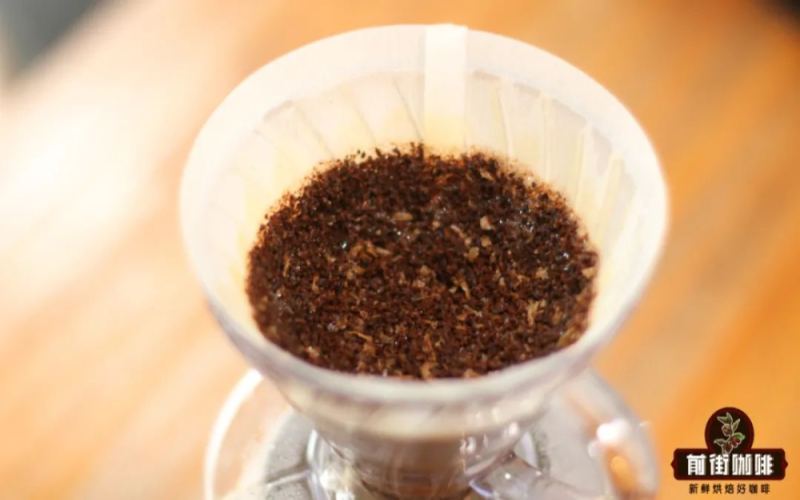
Three Major Reasons Why the Coffee Bed in Pour-Over Brewing Is Shallow or Disappears: Can the Depth of the Coffee Bed Really Determine Flavor Quality?
Many pour-over beginners don't run into clogging issues while brewing, yet after finishing, the coffee bed ends up perfectly flat, with no indentation at all. This shows that water flow control during extraction wasn't up to par, so a bowl-shaped bed couldn't form, which very easily leads to uneven extraction. Front Street has summarized three common mistakes: the bed wasn't lifted high enough, the water flow lacked enough stirring force, and the pouring circles were too wide in amplitude. We'll go through the causes one by one and give adjustment methods for each. Also, the depth of the coffee bed has no necessary connection to the roast level—whether you can produce a bed depression depends on your pouring technique, not how the beans were roasted, while the depth of the depression is determined by the dose of coffee. [more…]
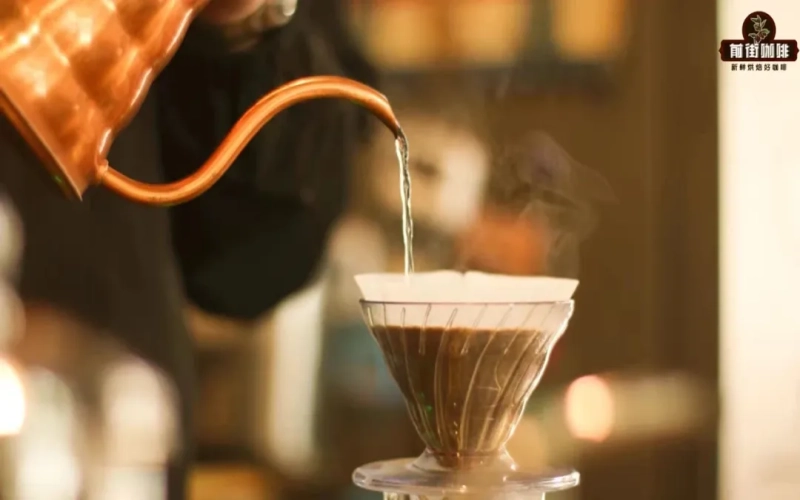
How Does Water Level in Pour-Over Coffee Shape Flavor: Explaining the Principles and Practical Points of a High-Sweetness Brewing Method
On various coffee-sharing platforms, the term "high water level" appears frequently, claiming that by controlling the water level height during brewing, coffee can be made to show a more prominent sweetness. Can the water level really dictate the flavor direction of a cup of coffee? This article will start from the coffee bed structure and extraction mechanism, analyze the respective advantages and applicable scenarios of high and low water levels, and give specific operational suggestions, including how high the coffee bed should be raised in the dripper, and how to reduce the difficulty of water control through pulse pouring and other practical techniques. It will also recommend Front Street series bean lists suitable for pursuing sweetness, helping you brew your ideal flavor with the right method. [more…]
Why Does the Coffee Bed Raising Technique Sometimes Fail in Pour-Over? Causes of and Remedies for Weak Flavor Due to Excessive Bypass Water
In the process of pour-over coffee brewing, many enthusiasts encounter the problem of weak coffee flavor but cannot find a clear reason. In fact, this is likely related to excessive bypass water. Bypass water refers to water that mixes directly into the coffee liquid without participating in extraction, which dilutes the coffee concentration and makes the flavor thin. This article will systematically analyze the two common causes of bypass water—the habit of rinsing the edge of the dripper and forcibly raising the coffee bed—and, combined with differences in dripper types and coffee bean density, explain why certain brewing techniques backfire. At the same time, the article will share Front Street Coffee's strategies for brewing high-density coffee beans, helping everyone reduce bypass water interference and brew a good cup of coffee with full flavor. [more…]

How Does Pour-Over Coffee Water Flow Rate Affect Extraction? A Detailed Explanation of the Differences Between Fast and Slow Flows and Methods for Measuring Flow Rate
During the pour-over brewing process, the speed of pouring water directly affects the extraction time, the state of the coffee bed, and the final flavor expression. Many enthusiasts misunderstand large and small water flows, believing that a small flow equals gentleness and a large flow equals forcefulness. In reality, flow rate refers to the amount of water poured per second and has no absolute relationship with impact force. This article will analyze in detail the effects of large and small water flows on different extraction results, share how to measure pouring flow rate with an ordinary electronic scale, and, combined with Front Street Coffee's practical experience, explain when to switch between large and small water flows, helping you adjust flexibly during brewing to achieve a more ideal coffee flavor. [more…]
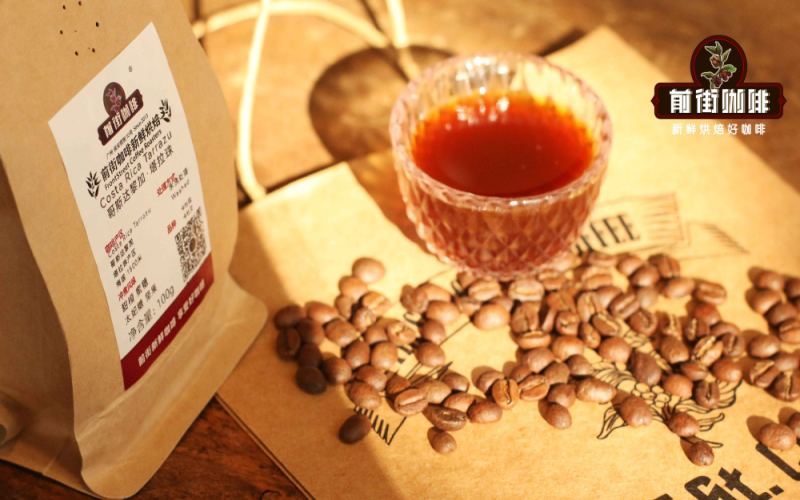
Analysis of Las Lajas Estate Black Honey Processing: How Sun Exposure Duration and Turning Rhythm Shape Flavor
Located in Costa Rica's Central Valley, Hacienda Las Lajas is one of the earliest pioneers to systematically study refined natural and honey processing. Estate owners Francisca and Oscar use a sweetness meter to select red cherries, and by varying the drying time and turning frequency on African raised beds, they subdivide honey processing into yellow honey, red honey, and black honey, and natural processing into Black Pearl and Black Soul. Among these, black honey processing retains the most mucilage, yielding a body close to that of natural coffee and a delicate sweetness reminiscent of dark berries. This article walks you through the processing logic of Hacienda Las Lajas and recommends single-origin coffees such as Front Street Coffee Washed Tarrazu, Front Street Coffee Mozart, Front Street Coffee Baja, and Front Street Coffee Blackberry, so you can experience the nuanced layers of Costa Rican coffee. [more…]
Yirgacheffe's Emerging Micro-Region Gedeb: An Analysis of the Pour-Over Flavor and Processing Techniques of High-Altitude Coffee Beans
Yirgacheffe has long become synonymous with African specialty coffee, and within this designated appellation, a micro-region called Gedeb is quietly rising. It is located in the Gedeo Zone, with an average altitude of 1,900 to 2,200 meters, far higher than the traditional Yirgacheffe region, giving the coffee beans a hard, dense texture and unique flavor. Gedeb's smallholder farmers send carefully picked coffee cherries to the Kochere processing station, where they are sun-dried on raised beds for 15 to 20 days, creating an elegant flavor interwoven with floral notes and berries. This article will take you deeper into Gedeb's regional characteristics, processing techniques, and its taste performance under pour-over and American-style brewing. Front Street Coffee recommends that you pay attention to this emerging region with outstanding value for money. [more…]

Coffee Brewing | What information is hidden in the coffee bed when making pour-over coffee? How can you judge the condition of single-origin pour-over beans from the coffee bed?
Yesterday a friend chatted with Front Street about a rather interesting phenomenon: he noticed that most people, when brewing coffee, even during the waiting intervals when they're not pouring water, still choose to fix their eyes intently on the changes in the dripper, as if trying to glean some information from the coffee bed. And you know what, there really is some truth [more…]
Costa Rica Las Lajas Estate: Differences Between Yellow Honey and Diamond Yellow Honey Processing Methods and an Analysis of Several Distinctive Coffees
Located in Costa Rica's Central Valley, Las Lajas Estate is one of the earliest pioneers to systematically explore honey and natural processing methods. The estate is run by third-generation owner Francisca and her husband Oscar, sits at an altitude of 1,250 to 1,500 meters, and produces about 55,200 kilograms annually. It farms to organic standards and, based on differences in the amount of mucilage retained and the turning time, has developed distinctive offerings such as Yellow Honey, Red Honey, Black Honey, and Diamond Yellow Honey. Several of the Costa Rican coffees recommended by Front Street Coffee come from this estate with its highly distinctive style. This article will walk you through the processing differences between Yellow Honey and Diamond Yellow Honey, as well as the flavor profiles of natural coffees such as Black Pearl and Black Soul. [more…]

Analyzing the Causes of Deep Craters in Pour-Over Coffee Beds: Three Key Conditions from Density and Pouring to Uniformity
Many enthusiasts, after finishing a brew, will see a uniform and deep bowl-shaped coffee bed left in the dripper, and wonder how this state is formed. Front Street Coffee also often encounters similar questions in daily brewing. In fact, the final shape of the coffee bed cannot directly determine whether a cup of coffee tastes good, but it does reflect some operational details during the brewing process. This article will explain how to brew a deep-pit coffee bed from three aspects: coffee bean density, pouring method, and pouring uniformity, and will also explain why light-roasted high-density beans often find it difficult to form a deep pit. If you also want to understand the principles behind the coffee bed, as well as brewing suggestions for beans such as Front Street Ethiopia·ALO and Front Street Yirgacheffe·Guddingding, please read on. [more…]
A Comprehensive Analysis of 90+ Candle Light Coffee: Name Origin, Flavor Characteristics, and Brewing Parameters
The 90+ Candied Mango is a legendary coffee bean in the specialty coffee circle, from the American company Ninety Plus Coffee, produced in the Sidama region of Ethiopia. Front Street Coffee has carried this bean for many years and knows well its charming flavors of nectarine, mango, and cream. This article will start with the background of the 90+ brand, and go through the meaning of the name Candied Mango, the terroir of the producing region, the raised-bed sun-drying process, green bean characteristics, roasting suggestions, cupping report, and Front Street's brewing insights, presenting a complete profile of Candied Mango for coffee lovers. [more…]
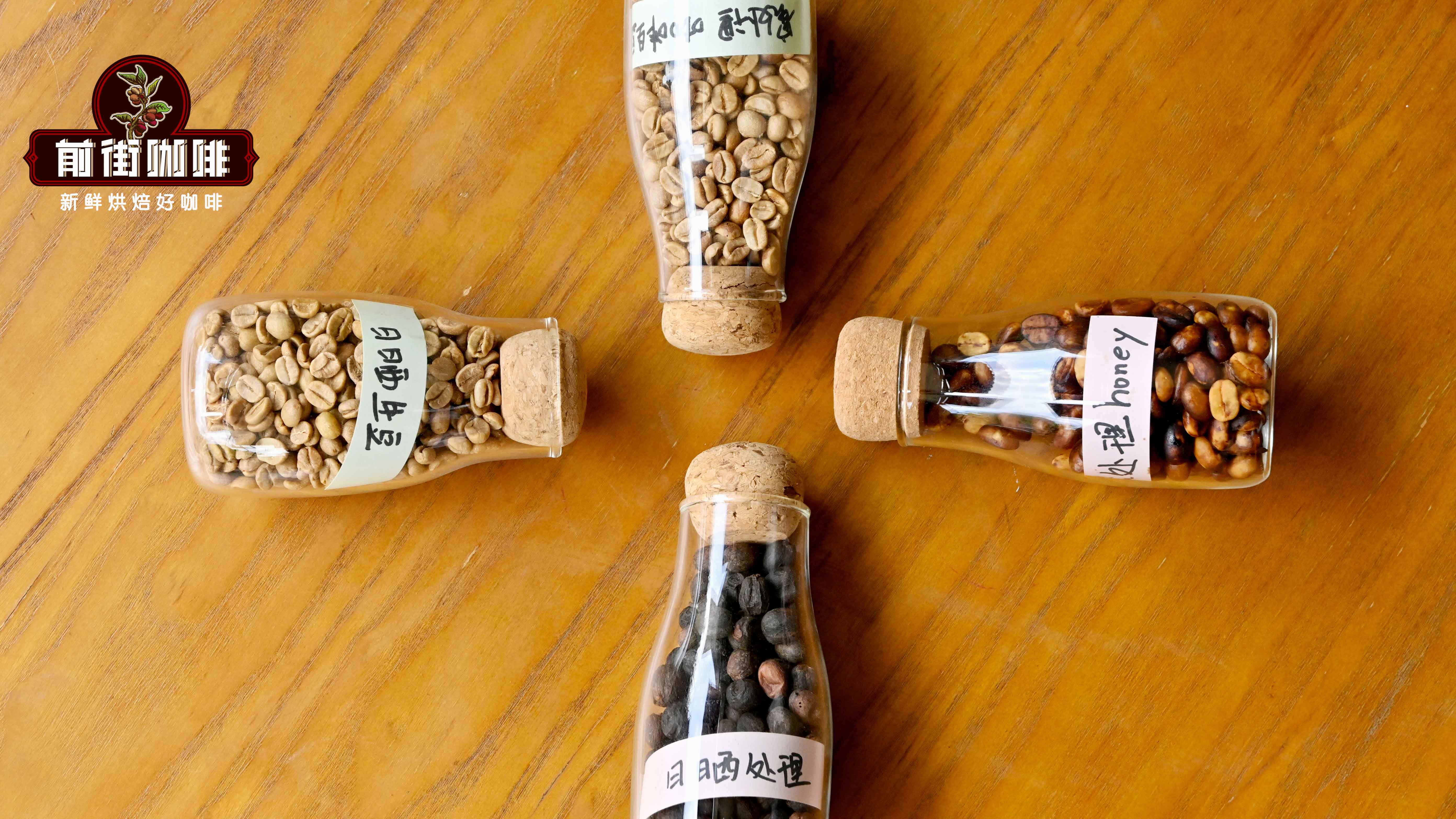
An In-Depth Analysis of the Natural Process: Advantages, Disadvantages, and Flavor Evolution from Traditional Sun-Drying to Slow Fermentation
The natural process is the oldest method of coffee processing, allowing the fruit to dry naturally while the beans mature inside the pulp, resulting in intense flavor and prominent sweetness. Today, the natural process has been refined, from African raised beds to single-layer slow fermentation, greatly improving quality and even becoming the top choice for competition-grade coffee. This article will guide you through a comprehensive understanding of the natural process's operational flow, flavor advantages, traditional flaws, and modern improved techniques, and recommend freshly roasted beans such as Front Street Natural Huakui and Front Street Red Cherry, allowing you to understand the unique charm of naturally processed coffee from theory to practice. [more…]
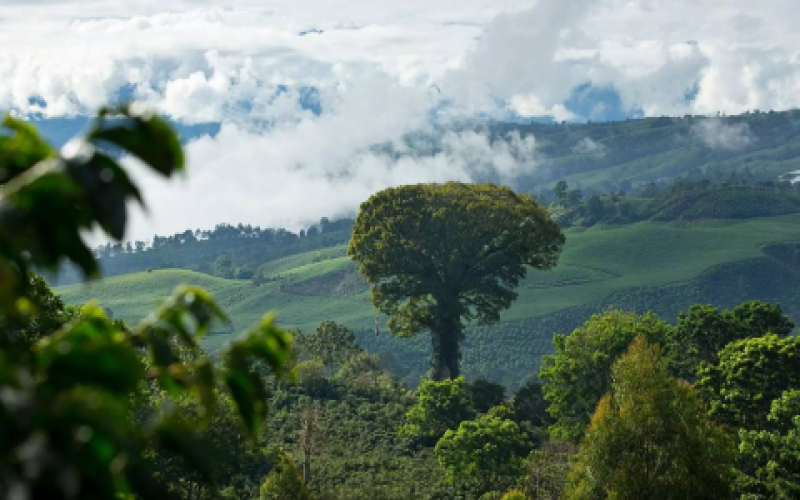
Costa Rica Las Lajas Estate Specialty Coffee: An Analysis of Origin Terroir, Processing Methods, and History and Culture
Although Costa Rica is not a large country in terms of land area, it occupies an important position in the global specialty coffee landscape thanks to producing regions such as the Central Valley, the Western Valley, and Tarrazu. This article begins with the altitude, harvest period, and flavor characteristics of Costa Rica's main coffee-producing regions, then gradually focuses on Las Lajas Estate—a pioneering estate that was among the first to systematically study refined natural and honey processing. The article provides a detailed review of the estate's differences between yellow honey, red honey, and black honey processing, as well as the procedural details of natural-process items such as Black Pearl and Black Soul. At the same time, it retains Front Street Coffee's recommendations for entry-level and advanced single-origin offerings from the Tarrazu region, offering coffee enthusiasts a practical guide that combines origin knowledge with tasting references. [more…]

How Should You Set the Water Temperature for Pour-Over Coffee? An Analysis of the Relationship Between Brewing Temperature and the Actual Extraction Temperature in the Coffee Bed
What temperature should the water be for pour-over coffee? Mainstream recommendations fall between 86°C and 93°C; lightly roasted beans suit higher temperatures, while darkly roasted beans suit lower ones. But the water temperature in the brewing kettle and the actual extraction temperature that comes into contact with the coffee grounds are not the same thing. Through measured data, this article shows how the temperature inside the coffee bed changes starting from initial temperatures of 90°C and 93°C, and how raising the pouring height affects the actual extraction temperature. At the same time, drawing on Front Street Coffee's brewing parameters for beans of different roast levels, it helps coffee enthusiasts understand and apply water temperature more accurately in their daily brewing. [more…]
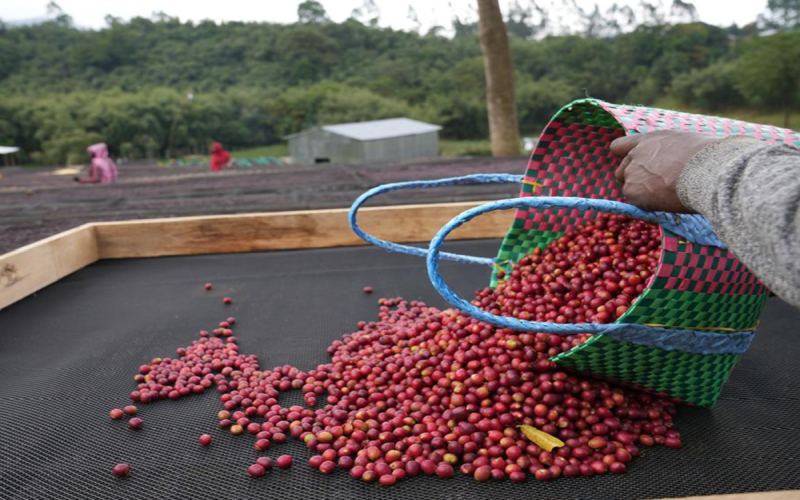
A Complete Analysis of the 90+ Candied Orange Coffee Bean Name Origin, Sidamo Region Flavor Characteristics, and Pour-Over Parameters
90+ (Ninety Plus Coffee) is a well-known American specialty coffee supplier. Its Drima Zede Sidamo coffee beans, with their alluring notes of nectarine, mango, and cream, have become a hot product that many cafés compete to put on their shelves. Front Street Coffee has carried this bean for years and knows its characteristics inside and out. This article will walk you through the founding background and philosophy of the 90+ brand, the meaning of the name Drima Zede in the local dialect, the terroir conditions of the Sidamo region, the details of the raised-bed sun-drying process, and the roasting curves, cupping data, and V60 brewing recipes that Front Street baristas have summarized through hands-on practice. Whether you want to understand the origins of this bean in depth or hope to find a reliable set of brewing parameters, you'll find the answers in this article. [more…]
Yirgacheffe ARICHA Natural Bean Flavor Analysis: Aricha Processing Station Origin Characteristics and Tasting Approach
ARICHA Natural G1 from the Yirgacheffe region is one of the finest representatives of high-grade Ethiopian green beans. Produced at the Aricha processing station using raised-bed natural processing, it is endowed with vivid fruity aromas and sweetness. In cupping, Front Street Coffee's Yirgacheffe Natural Aricha G1 presents intense aromas of jasmine, citrus, dried peach, and dried mango, interwoven with the sweet notes of berry salad, dried almonds, and caramel. This article will explore the bean's regional background, processing method, and flavor characteristics, as well as cold brew—the drinking method that best highlights its floral and fruity profile—to give you a comprehensive understanding of this natural Ethiopian gem. [more…]
Yirgacheffe Three Major Production Regions Coffee Guide: A Complete Analysis of Varieties, Processing Methods, and Flavor Profiles
Yirgacheffe is one of Ethiopia's most iconic specialty coffee regions, but the flavor differences brought by different micro-regions and different processing methods are enormous. This article takes three distinctive Yirgacheffe coffees as examples, respectively from Kochere, Aricha, and Gedeb, covering the native Heirloom variety, fully washed, and raised-bed natural processing methods, and describes in detail each one's varietal background, green bean processing flow, grade classification, and cupping flavor performance—from lemon floral notes to fermented fruit sweetness, and further to a fruit-bomb-like rich tonality—helping coffee enthusiasts fully understand the flavor spectrum of Yirgacheffe and Front Street brand's approach to bean selection. [more…]
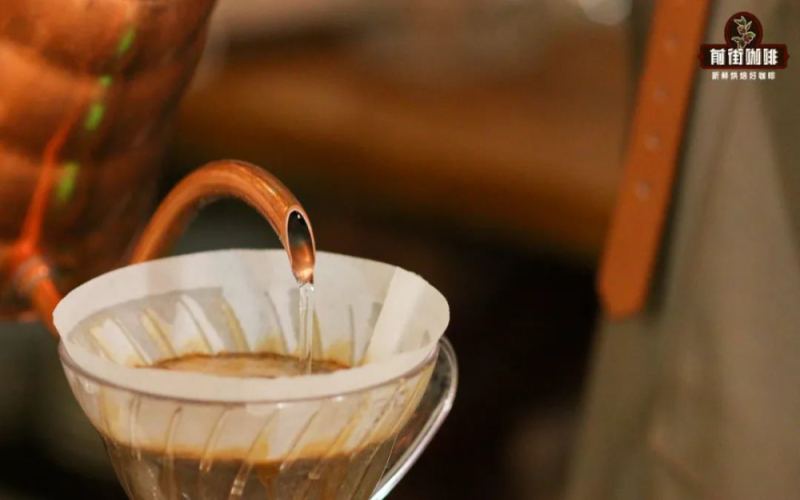
How Does the Water Level in Pour-Over Coffee Affect Flavor? Front Street's Practical Guide to the Ideal Water Level and Brewing Techniques
Every detail in pour-over coffee can change the final flavor direction, and water level is often an easily overlooked key variable. At Front Street, we've found in actual brewing that with the same beans, different liquid levels produce noticeable differences in acidity, sweetness, and body thickness. Starting from Front Street's observations, this article analyzes which coffee beans are suited to high water levels versus low water levels, and combines dose, dripper size, and freshness to give specific water level recommendations, helping you control the extraction direction more precisely in your daily brewing. [more…]

Pour-Over Coffee Water Pouring Techniques | How Should Coffee Beginners Learning Pour-Over Coffee Pour Water? What Details Should Be Paid Attention to When Pouring Water in Pour-Over Coffee?
At Front Street Coffee shops, we often meet friends who have been teaching themselves pour-over coffee at home and come to discuss brewing-related questions with us. Many of them say that although the parameters they use are exactly the same as those we recommend in the shop, the coffee they brew always tastes inconsistent—sometimes good, sometimes bad—and they have no idea where the problem lies. In cases like this, [more…]
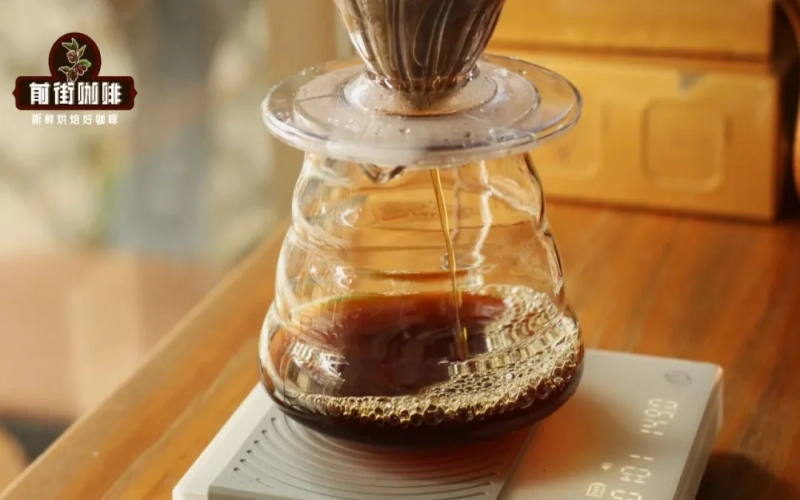
The Complete Guide to Pour-Over Coffee Water Pouring: Analyzing the Core Techniques of Position, Path, Height, and Flow Rate
Many coffee enthusiasts who practice pour-over at home often struggle with inconsistent flavor even when their parameters match those used in cafés. The root cause usually lies in the water stream not being stable enough during pouring. In fact, the position, path, height, and size of the pour all directly affect the extraction. SCA experimental data shows that the higher the stability of the water stream, the higher the extraction uniformity. This article draws on the hands-on experience of Front Street cafés to systematically explain how to stabilize the brewing of a delicious pour-over coffee through precise control of pouring. Whether you are a beginner or an advanced player, mastering these pouring essentials can take your coffee quality to the next level. [more…]